
Moving is not just about carrying boxes or coordinating with the lorry. It also entails a vital change that, fortunately, is covered as a labour right in Spain. When a person moves their usual place of residence, the law recognises paid leave. Yes, paid. It is not a concession of goodwill on the part of the company, but a right enshrined in the Workers' Statute. Now, how many days do I get for moving house? Let's look at it step by step.
What the law says: the starting point
Article 37.3 of the Workers' Statute provides that employees have the right to be absent from work with pay in certain cases. One of these is the transfer of the employee's usual place of residence.
The legal response? Two working days. That is the guaranteed minimum.
And it is not a favour, nor is it deducted from holidays or personal days: it is a leave with its own name. It applies when you move house and cannot be postponed or exchanged for money.
Can this permit be extended?
Yes, although the Statute sets two days, there are collective agreements and individual agreements that improve this condition. And they are not few in number.
For example:
- In some public administrations, three calendar days are recognised.
- In large companies, it is common to add an extra day if the move involves a change of location or province.
Therefore, beyond knowing how many days I am entitled to by law, it is a good idea to check the collective bargaining agreement that governs your sector. This can make the difference between working against the clock or having a real margin to organise yourself properly.
Working days or calendar days?
Good question. Because it is easy to get confused here.
Although the Statute does not make this clear, the most widespread interpretation (and supported by rulings) is that these are working days.
This means that if your move is on a weekend and you do not work those days, they are not counted. The leave would start to apply on the following Monday, for example.
However, if your working day includes Saturdays or Sundays and the company operates on those days, then they could be counted.
Practical example:
- If you work from Monday to Friday and move on a Saturday, the leave would count from the following Monday.
- If your working day includes Saturdays and you move on a Friday or Saturday, the leave may cover Friday and Saturday.
In short: unless your contract states otherwise, the leave is for two consecutive working days.
How do I apply for this permit?
There is no single formula, but there are basic steps to follow to avoid misunderstandings:
- Communicate in advance: Ideally, you should let us know as soon as you have a firm date.
- Proof in hand: the employer may ask for proof of the change. This can be a rental contract, the deed to the new home or even a change of registration.
- Clear dates: Specify which days you will use and make sure they are working days.
This permit cannot be kept for later or exchanged for other compensation. It is for the time of the move.
What if the move is to another province?
Here the law makes no distinction. It doesn't matter if you change neighbourhood or autonomous community: the two days are still the minimum.
However, it stands to reason that a move to another province will mean more hassle. And in practice, many conventions recognise this:
- Some companies add an extra day if there is an interprovincial change.
- Others offer some flexibility in the days leading up to the transfer.
So if your move involves several hundred kilometres, take a look at your collective agreement. You may be in for a positive surprise.
Real examples of agreements
Every sector is different. Here are some specific cases:
- Banking agreement: three working days.
- Catering (in several provinces): maintains the two-day minimum.
- Telecommunications: four days if the change is to another autonomous community.
This shows that, when asked how many days I get when I move, the answer depends very much on where you work... and what sector you work in.
Recommendations for not getting dragged down by the move
Organising a move can be one of those tasks that can make your head and calendar spin. If you are going to make use of your leave, here are some useful tips:
- Book everything in advanceFrom the moving company to the installation of internet in your new home.
- Make the most of your days off for formalities such as registration or paperwork with utilities.
- If you need more time, You can use your own days or holidays (always with agreement).
- Keep all supporting documentsYou never know if Human Resources will ask you for it.
Frequently asked questions
If I move within the same city, am I also entitled to the permit?
Yes, it doesn't matter if you move to another neighbourhood or another municipality. It is the move from your usual place of residence that counts.
Can the company refuse to grant it?
No. It is a legal right.
Does leave count as holiday?
Nor should it. It is independent and should not take away from your days off.
What if I am transferred by the company itself?
In that case, you may be entitled to additional benefits (such as compensation for expenses), depending on your contract.
Do you need to rent a storage room in Palma de Mallorca?
If you're preparing to move house and wondering how many days I'm allowed to move, you're probably also looking for practical solutions to store your stuff while you get organised.
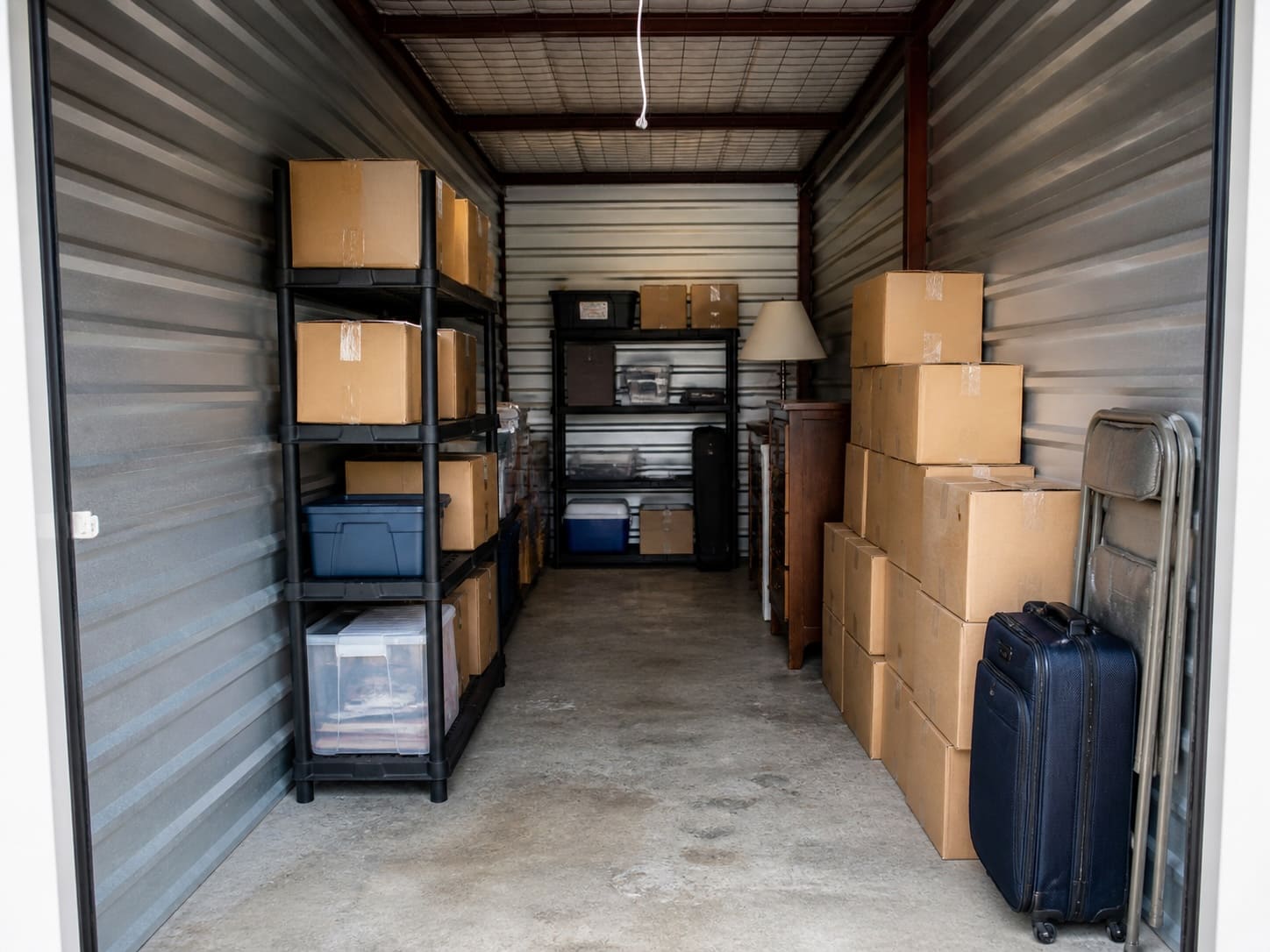
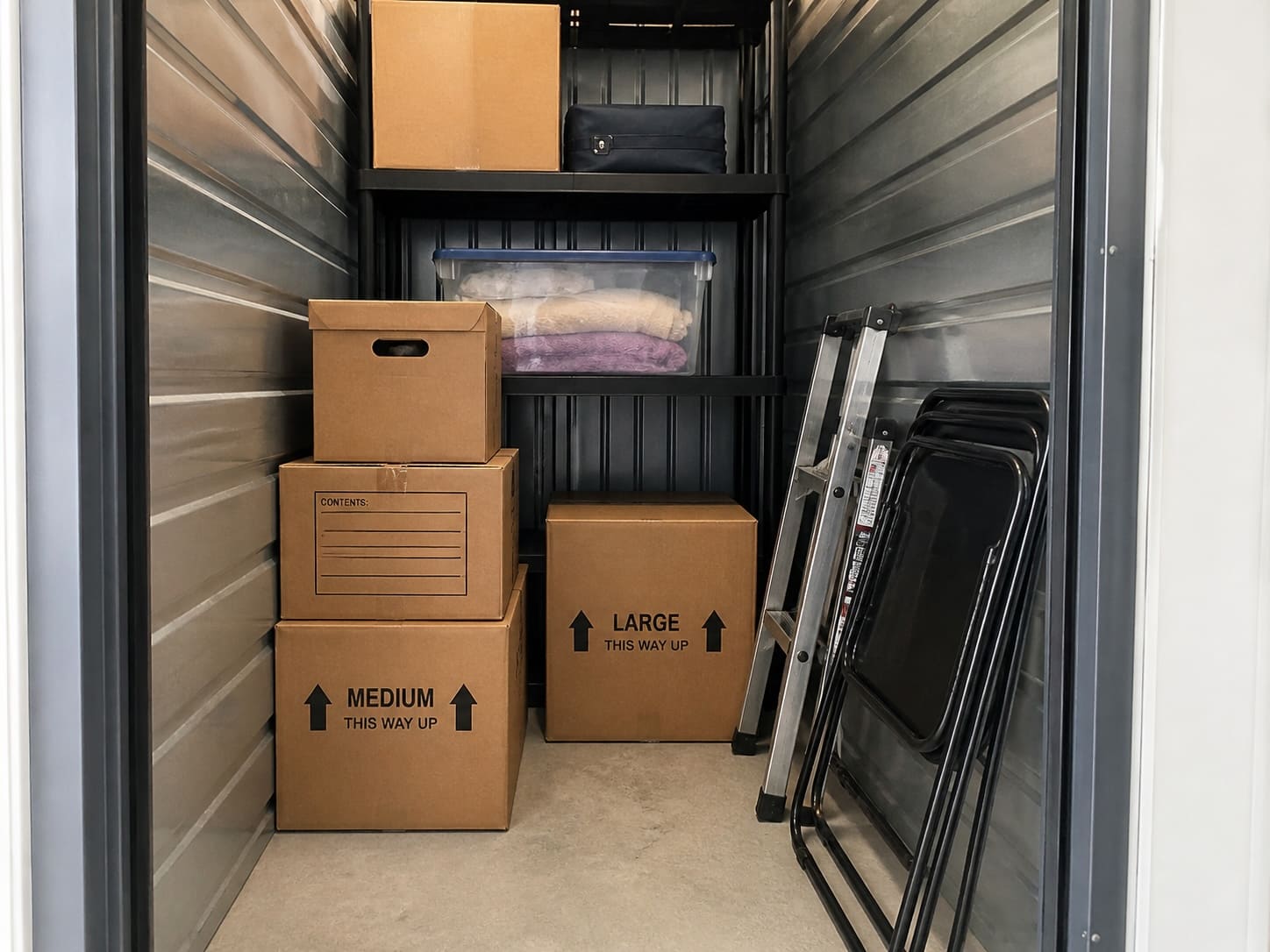
The storage room rentals in Palma de Mallorca is a very useful option for those transitional days. You can store everything from furniture to documents without worrying about space. In our company we have safe spaces, of different sizes, and with convenient access, so that you can focus on what is important: settling into your new home with peace of mind.
Contact us if you need a reliable place to store your belongings during the move. We adapt to you.