Renting a storage unit is one of the most convenient solutions when you're short on space at home, preparing for a move, renovating a property, or need to store belongings you don't use daily. But before you start cramming boxes in haphazardly, it's wise to be clear about what you can and cannot store in a storage unit.
A storage unit isn't just an extra space to leave things. It's a place designed for storing personal items, furniture, boxes, documents, clothes, tools, or seasonal materials in an organised and secure manner. However, there are certain products and belongings that should not be stored because they can spoil, generate odours, attract insects, cause damage, or pose a risk.
In this guide, we'll explain what items you can store in a storage unit, which ones you should avoid, and how to organise it correctly if you're thinking of rent a storage unit in Palma city centre.
What can be stored in a storage unit
Most people rent a storage unit to free up space at home. In Palma, where many flats don't have a garage, communal storage room, or large storage areas, this type of space can become a very practical extension of the home.
These are the most common items you can store in a storage unit.
Moving boxes and personal belongings
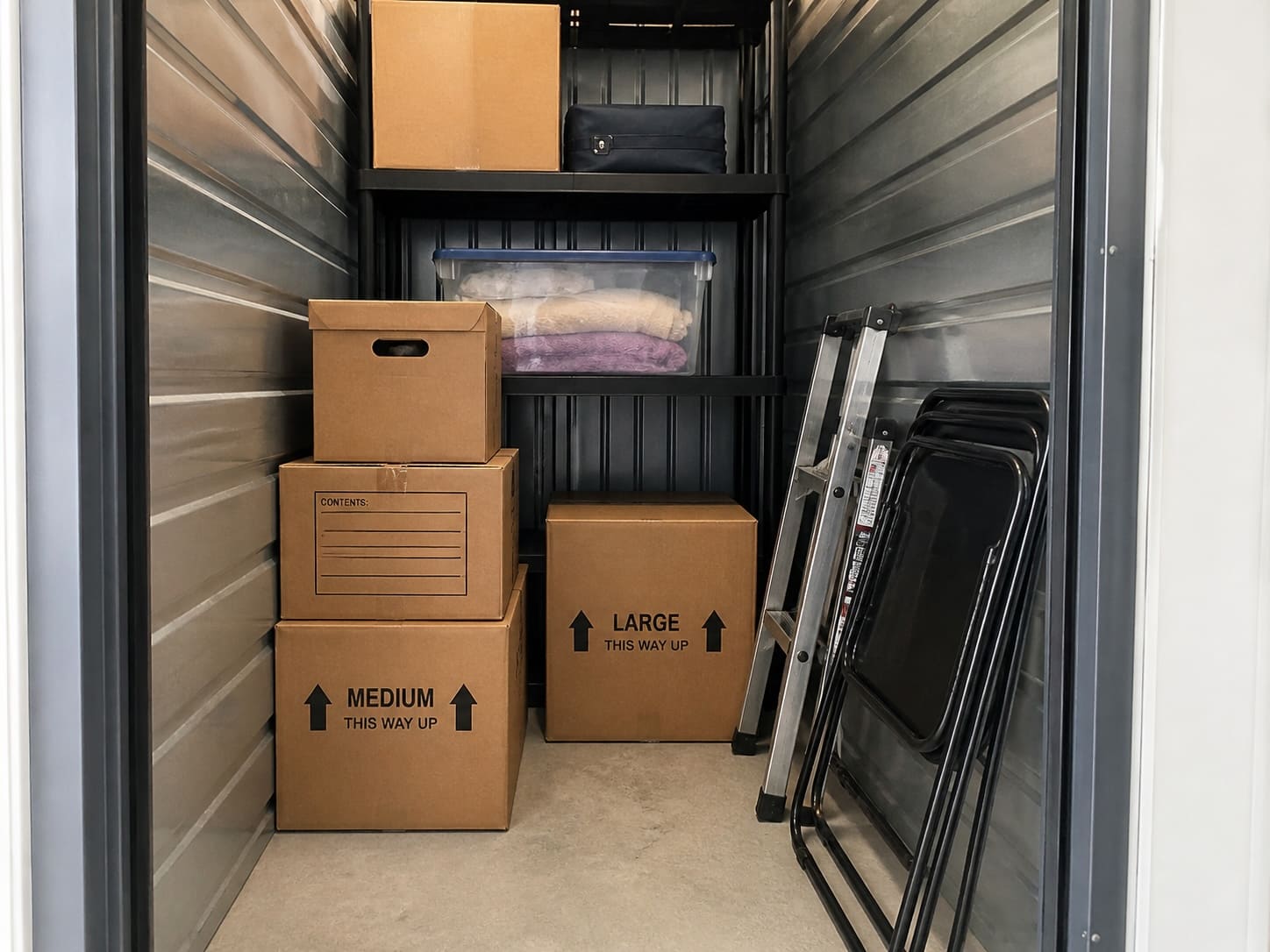
Boxes are one of the most common items found in a storage unit. You can store clothes, books, crockery, toys, mementos, photographs, decorative items, small appliances, or belongings that you don't need to keep in your house.
The important thing is to use sturdy boxes, close them well, and label them by content or room. For example: “kitchen”, “books”, “winter clothes”, “decorations”, or “old documents”.
If you're in the middle of a move in Palma, a storage unit can help you keep your belongings safe temporarily until your new home is ready.
Disassembled or protected furniture
You can also store furniture in a storage unit, especially if it's well-protected. Tables, chairs, shelves, chests of drawers, desks, mattresses, headboards, or auxiliary furniture can be stored during a house move, a renovation, or simply because you don't need them at home right now.
Whenever possible, it's advisable to dismantle furniture to make better use of space. Keep screws, small parts, and hardware in sealed bags and attach them to the furniture itself or put them in a labelled box.
For mattresses, sofas or upholstered furniture, use protective covers. This will prevent scuffs, dust and potential stains.
Seasonal clothing, blankets and textiles
A storage room is very useful for keeping clothes that you only use at certain times of the year. Coats, boots, blankets, duvets, bedding, suitcases with summer clothes or winter garments can take up too much space in wardrobes.
Before storing it, ensure the clothing is clean and completely dry. Use fabric boxes, breathable covers or well-sealed bags. Avoid storing damp or freshly washed clothes without them being fully dried, as bad odours or deterioration can occur over time.
This is a very common practice in small flats in Palma, where wardrobes tend to become insufficient quickly.
Suitcases and travel bags
Suitcases take up a lot of space and are usually only used a few times a year. For this reason, storing them in a storage unit can free up wardrobes, high shelves, or small rooms.
A practical tip is to use the inside of your suitcases to store other light items, such as backpacks, bags, seasonal clothing, or textiles. This way, you make better use of space and prevent your suitcases from being empty and taking up volume.
Bicycles, scooters and sports equipment
If you don't have a garage, storing a bicycle at home can be awkward. The same applies to scooters, helmets, padel rackets, golf equipment, surfboards, beach accessories, sports bags, or gear that you only use at certain times.
A storage room can be a good solution for storing sports equipment without taking up hallways, terraces or rooms. Before storing it, clean the items thoroughly, dry off any remaining moisture, and group accessories in labelled boxes or bags.
In Mallorca, where it's common to accumulate beach, sports, or outdoor activity equipment, this type of storage can be particularly practical.
DIY tools and materials
Tools can also be stored in a storage room, provided they are clean, tidy, and well-protected. Toolboxes, drills, stepladders, properly sealed paints, mounting accessories, or DIY materials can take up too much space inside the house.
If you're self-employed or have a small business, a storage unit can serve as support for keeping tools, promotional material, files, equipment, or light stock, as long as they are permitted items and do not pose any risk.
Documentation, files and mementos
Another common use is to store documentation and files that you don't need to consult every day. Old invoices, family documents, folders, accounting books, company papers or personal files can be stored in well-sealed boxes.
To avoid problems, classify the documentation by years, topics, or categories. It is also advisable to make a small inventory to know what is in each box.
Family memories, photographs, inherited objects, or items with sentimental value can also be stored in a storage unit, provided they are well-packed and protected.
Seasonal decorations and objects
Christmas decorations, lights, ornaments, collapsible trees, fans, heaters, parasols, beach items, or items that are only used for a few months of the year are perfect for storing in a storage unit.
This type of object doesn't need to take up space inside the house all year round. If you organise them in boxes by season, it will be much easier to find them when you need them again.
What should not be stored in a storage unit
Although a storage unit allows for the storage of many belongings, not everything is suitable. There are items that should not be kept for reasons of safety, hygiene, or preservation.
Perishable foods and products
Fresh food, perishable goods, opened food, uncontrolled beverages, products that may expire or any items that could generate odours or attract insects should not be stored.
Although it may seem like a temporary measure, storing food in a storage unit can lead to hygiene problems. If you need to store any packaged products, always check the rules for the space and avoid any items that could spoil.
Flammable or hazardous products
You must not store petrol, gas canisters, solvents, dangerous chemicals, fireworks, explosive materials, poorly sealed paints, fuels or any flammable substances.
This type of product could put your belongings, the space, and other users at risk. If you have any doubts about a specific product, it's best not to store it in the storage unit and to check first.
Animals, plants or living beings
It seems obvious, but it’s worth making clear: you cannot keep animals, plants, or any living being in a storage unit.
Plants need light, ventilation, and care. Animals, besides being an ethical and legal issue, must never be kept in a storage space.
Illegal or unauthorised objects
Illegal items, unauthorised merchandise, prohibited substances, or any items that contravene the regulations or rental conditions must not be stored.
The storage room must be used for permitted personal, domestic or professional storage, not as a space for irregular activities.
Items with dampness or poorly packaged
Even if they aren't dangerous, storing damp items can cause bad odours, mould or deterioration. This particularly affects clothing, mattresses, carpets, wooden furniture, books, documents and textiles.
Before you take anything to the storage room, make sure it's dry, clean, and well-protected. This detail can make the difference between keeping your belongings in good condition or finding them deteriorated months later.
High-value items or critical documentation
A storage unit can be a safe space for keeping many possessions, but it's not always the most suitable place for extremely valuable items, jewellery, cash, irreplaceable documents, or extremely delicate items.
If you have items of great economic or sentimental value, consider whether they should remain at home, in a safe, or in a specific place for that type of conservation.
How to organise what you keep in a storage unit
Knowing what you can store is important, but organising it well is too. A cluttered storage room ends up being inconvenient, even if it has enough space.
Classify before saving
Before taking your belongings to the storage unit, separate them into categories: clothing, books, documents, tools, sports equipment, decorations, furniture, memorabilia, or kitchenware. This will help you better estimate the space required and prevent you from mixing fragile items with heavy ones.
Use sturdy boxes and clear labels
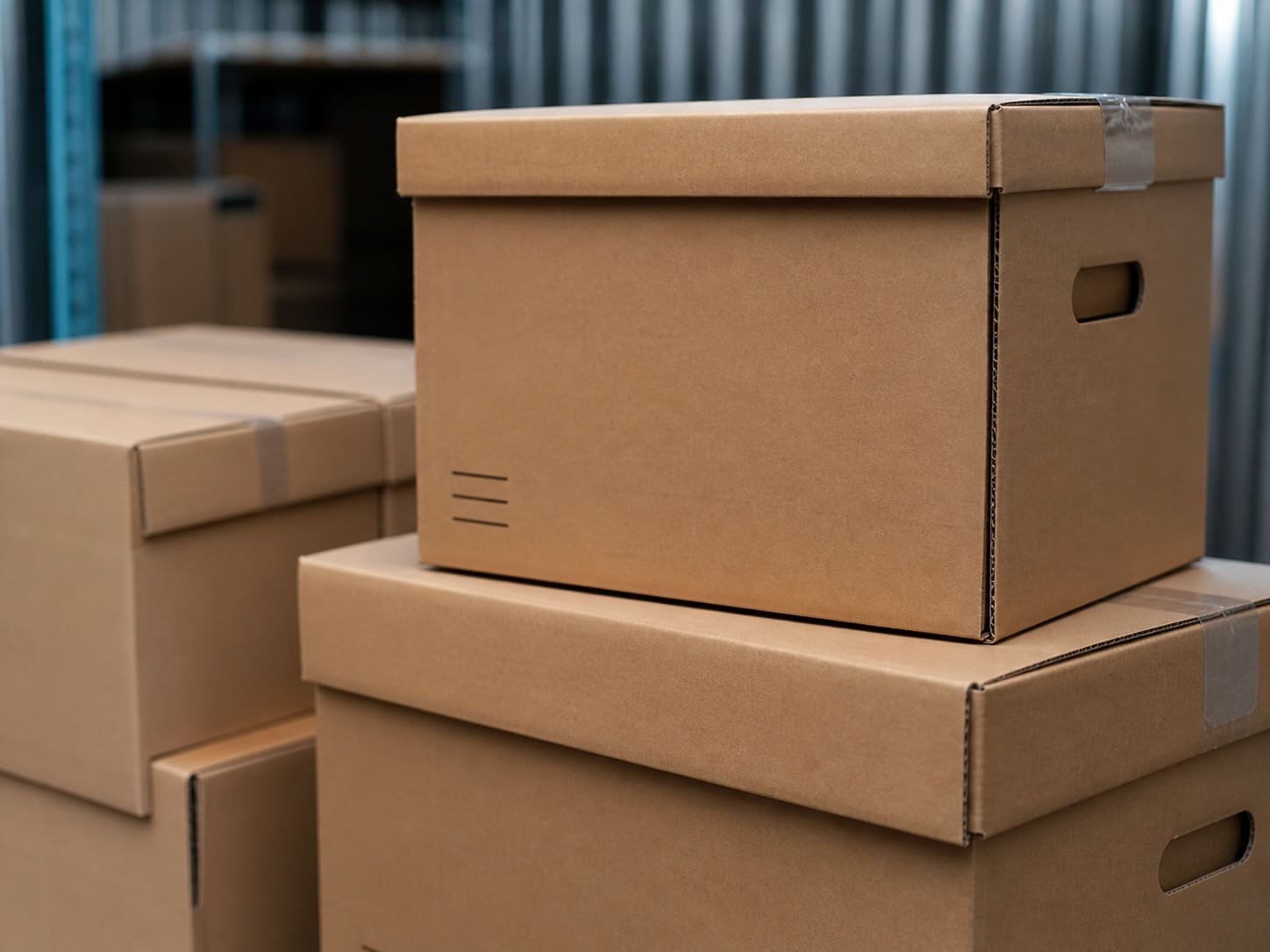
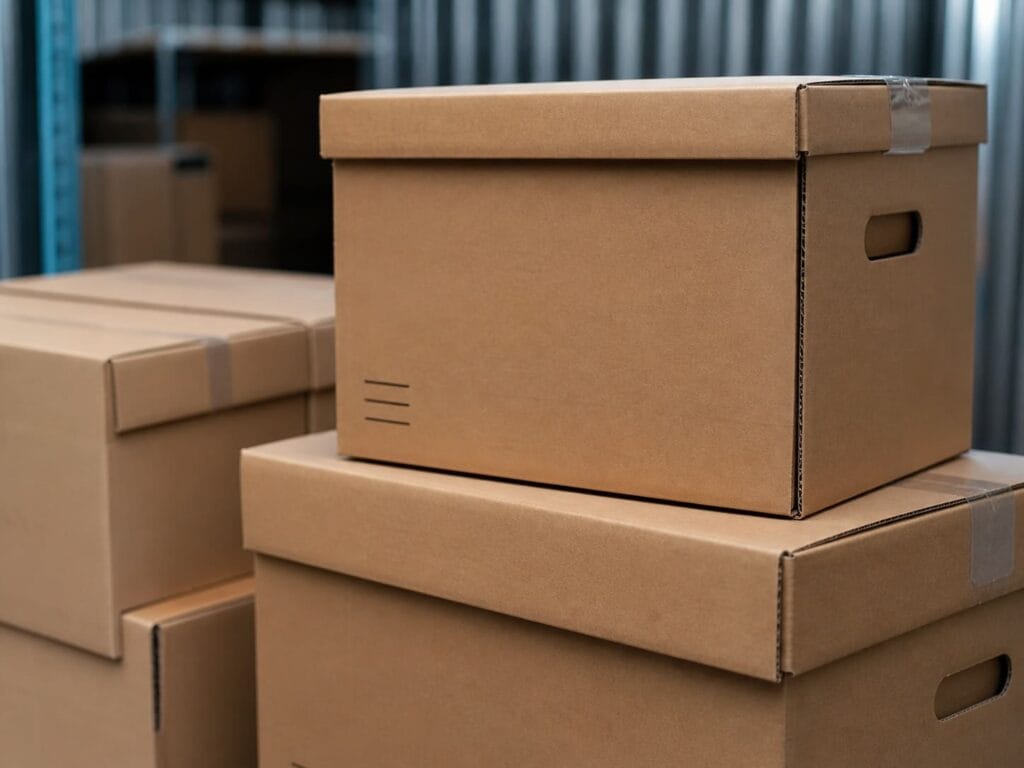
The boxes must be sturdy, stackable, and easy to identify. It is better to use several medium boxes than one enormous box that is too heavy.
Label each box on more than one side. That way you can read the contents even if they are stacked.
Protect furniture and delicate objects
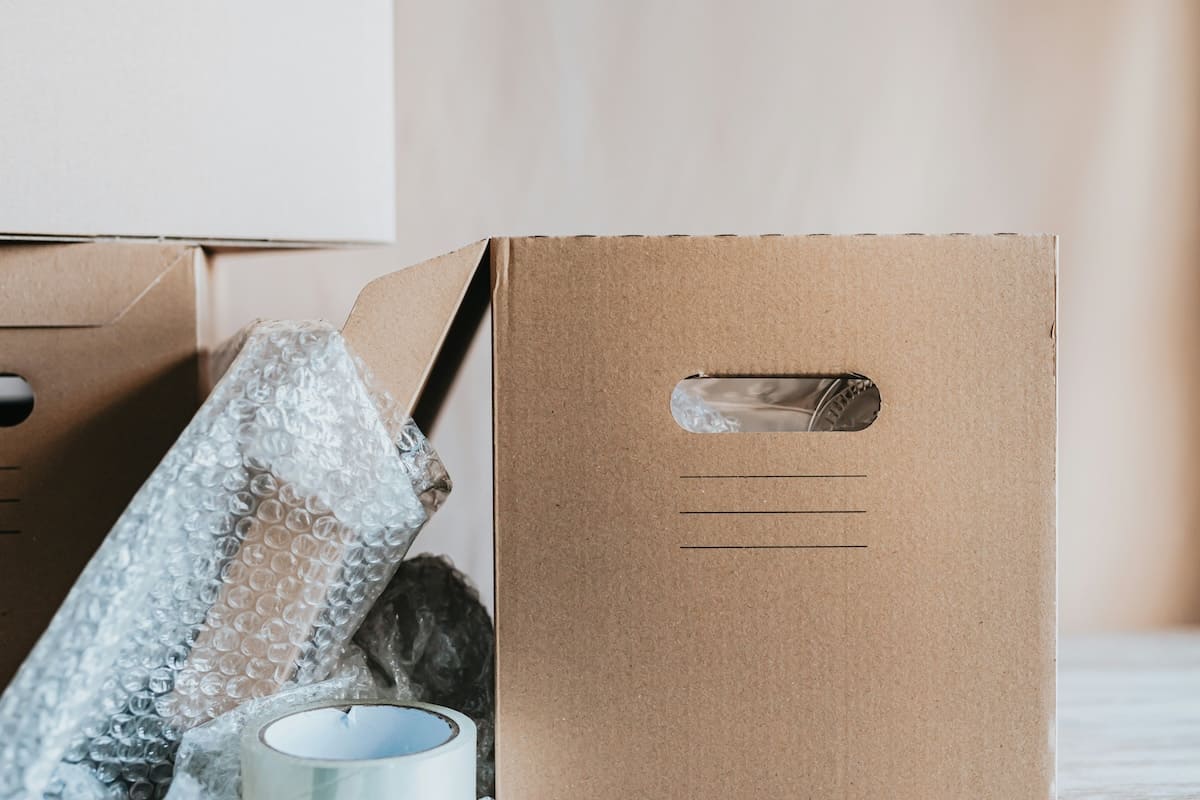
Use blankets, bubble wrap, covers, cardboard, or corner protectors for furniture, mirrors, pictures, lamps, or crockery. Fragile items should be placed in specific boxes and never under weight.
Make accessible what you are going to need.
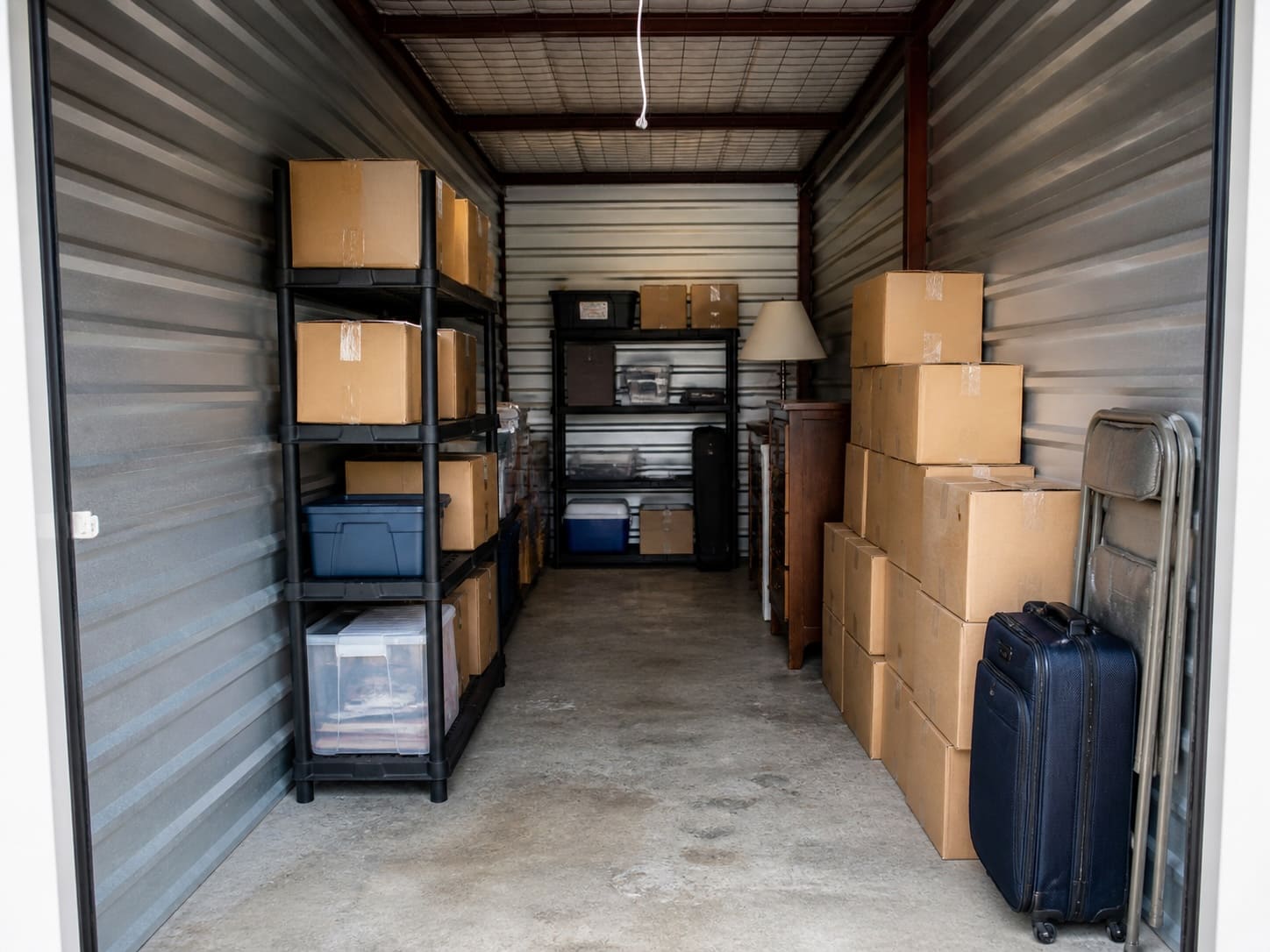
If you plan to access the storage room frequently, place items you might need sooner at the front: tools, seasonal clothing, sports equipment, or documents. At the back, you can leave disassembled furniture, keepsake boxes, or decorations that you only use once a year.
Do a simple inventory
There's no need to complicate things. A list on your mobile phone with the number of boxes and their contents can save you a lot of time. You can also take photos of the inside of the storage unit once it's organised.
When to rent a storage unit in Palma
Renting a storage unit in Palma can be a good option if you need to free up space at home, prepare for a move, store furniture during a renovation, or keep belongings you don't use every day.
It may be useful for you if:
- You live in a small flat.
- You do not have a communal garage or storage room.
- You need to store furniture temporarily.
- You want to clear out cupboards.
- You've got boxes piling up at home.
- Bicycle or sports equipment storage.
- You are moving house.
- You need extra space for your business.
- You want to organise your belongings better.
In these cases, a storage unit is not just a place to leave things. It's a practical solution for living or working in a more organised way.
Palma Storage Units: extra space to store what you don't use every day
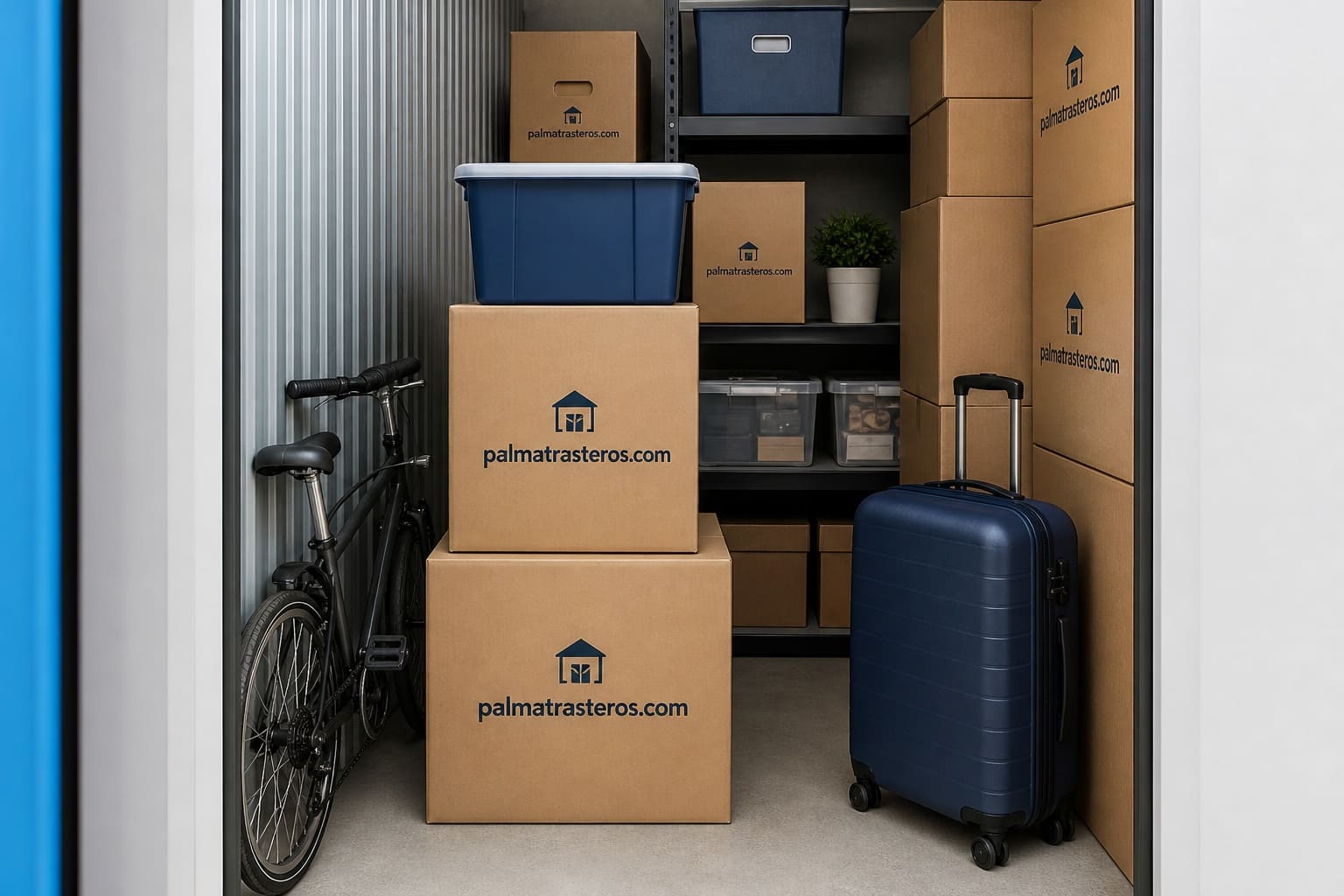
If you need to store boxes, furniture, seasonal clothing, suitcases, tools, bicycles, documents, or sports equipment, Palma Trasteros can help you find a space adapted to your needs.
The key is to choose wisely what you're going to store, protect your belongings, and organise the storage unit from day one. This way, you'll make the best use of every metre and be able to access your things when you need them.
Rent a storage unit in Palma de Mallorca is a simple way to gain space without having to throw away important items or move house.
Conclusion
Now that you know what can and cannot be stored in a storage unit, the next step is to organise your belongings sensibly. A storage unit can be very useful for boxes, clothes, furniture, suitcases, tools, bicycles, documents and seasonal items, as long as they are clean, dry and well-protected.
Instead, you must avoid perishable foodstuffs, dangerous goods, inflammable items, animals, plants, illegal articles or belongings that might deteriorate from being improperly packed.
If you live in Palma and need to free up space, a storage unit can help you regain order at home, cope with a house move, protect furniture during a renovation, or store items you don't use every day.
Frequently asked questions about what to store in a storage unit
Can clothes be stored in a storage unit?
Yes, you can store clothes in a storage unit, especially seasonal clothing, blankets, duvets, or textiles that you don't use daily. It's advisable to store them clean, dry, and in protective boxes or covers.
Can furniture be stored in a storage unit?
Yes, you can store furniture in a storage unit. It's best to dismantle them when possible, protect them with covers or blankets, and avoid placing them directly against objects that could damage them.
Can I store food in a storage unit?
It is not recommended to store food, especially perishables, opened products, or any items that may generate odours, attract insects, or deteriorate.
Can a bicycle be stored in a storage room?
Yes, a bicycle can be stored in a storage unit. Before doing so, it's advisable to clean it, dry it thoroughly, and position it so that it doesn't damage other items.
Can I store important documents in a storage unit?
Yes, you can store documentation and files, provided they are well-sorted and protected in closed boxes. For irreplaceable or frequently used documents, it might be best to keep them at home.
What items are prohibited in a storage unit?
Flammable products, dangerous substances, perishable foodstuffs, animals, plants, illegal items, odorous products, or damp belongings that could spoil must not be stored.
How do I protect my belongings in a storage unit?
Use sturdy boxes, clear labels, protective covers, bubble wrap for fragile items, and a system of organisation by category. Making an inventory is also useful.