Moving house always brings a bit of chaos, and it's only natural that one of the first questions that comes up is: where do you start packing for a move? It's not just a matter of putting things in boxes. The order and decisions you make from the start can make the difference between a more or less bearable move.
Here is a clear guide, with practical and realistic advice to keep the process from becoming a mountain of stress.
Before packing: put the plan on the table
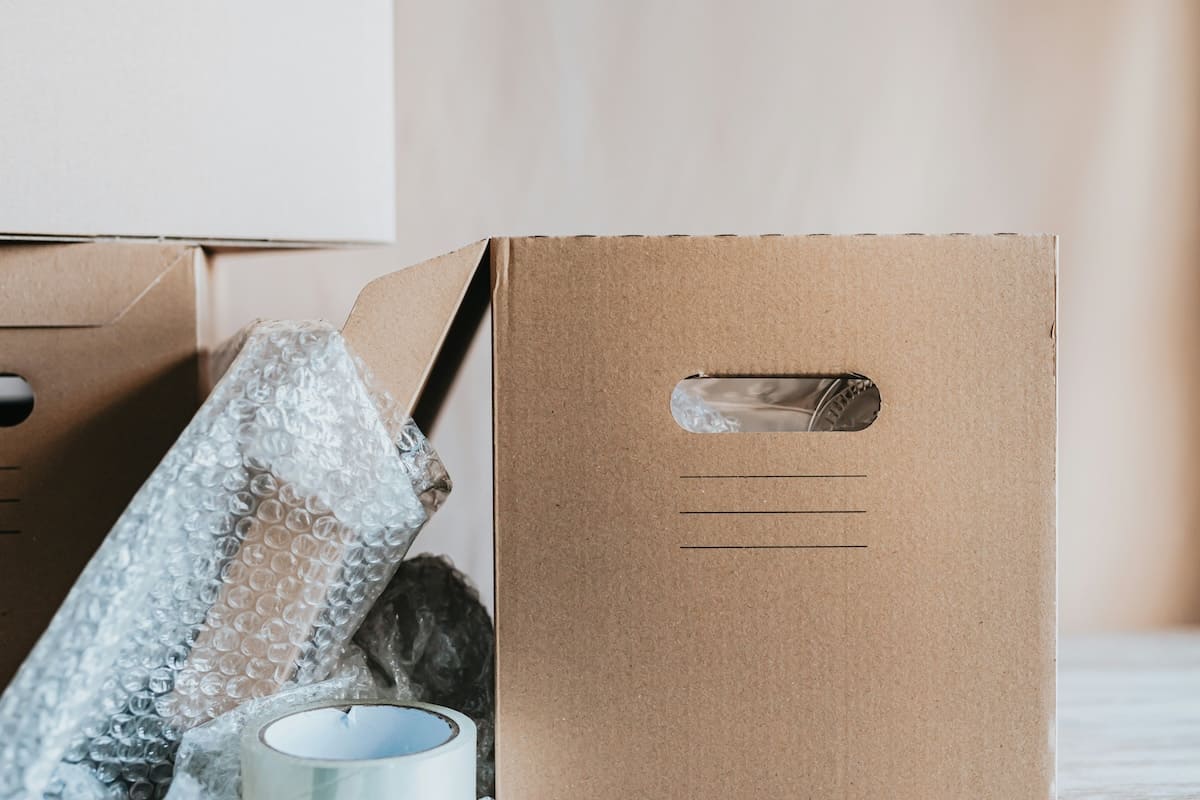
Don't start packing without first taking a short break to plan. Spending some time thinking about which spaces you're going to empty first and what materials you need will save you a lot of headaches later. Making a list of rooms, deciding on a logical order and having the basics at hand - boxes, tape, labels, bubble wrap - will avoid unnecessary stops halfway through.
Less is more: clean up before packaging
One of the most common mistakes is to want to take absolutely everything with you. But moving is also an opportunity to let go. What you no longer use, what doesn't fit into your new life, or what just takes up space, you can donate, sell or recycle. Where do you start packing for a move when there's so much accumulated? Easy: start by reducing.
When you free up space, the rest flows better.
Start with what you use least
A good strategy to start with is to begin with the rooms that have the least impact on your day-to-day life. Storage rooms, attics or guest rooms are a good place to start. By emptying these areas first, you don't disrupt your routine and get into a smooth rhythm.
Grouping by object type also helps
Another useful way to get organised is to pack by category: books, out-of-season clothes, decorations, tools you don't use every day... This not only makes it easier to store, but also easier to find everything in your new home. If you're overwhelmed by not knowing where to start packing for a move with so many different things, this method can give you some clarity.
Everything in its box (and with the right packaging)
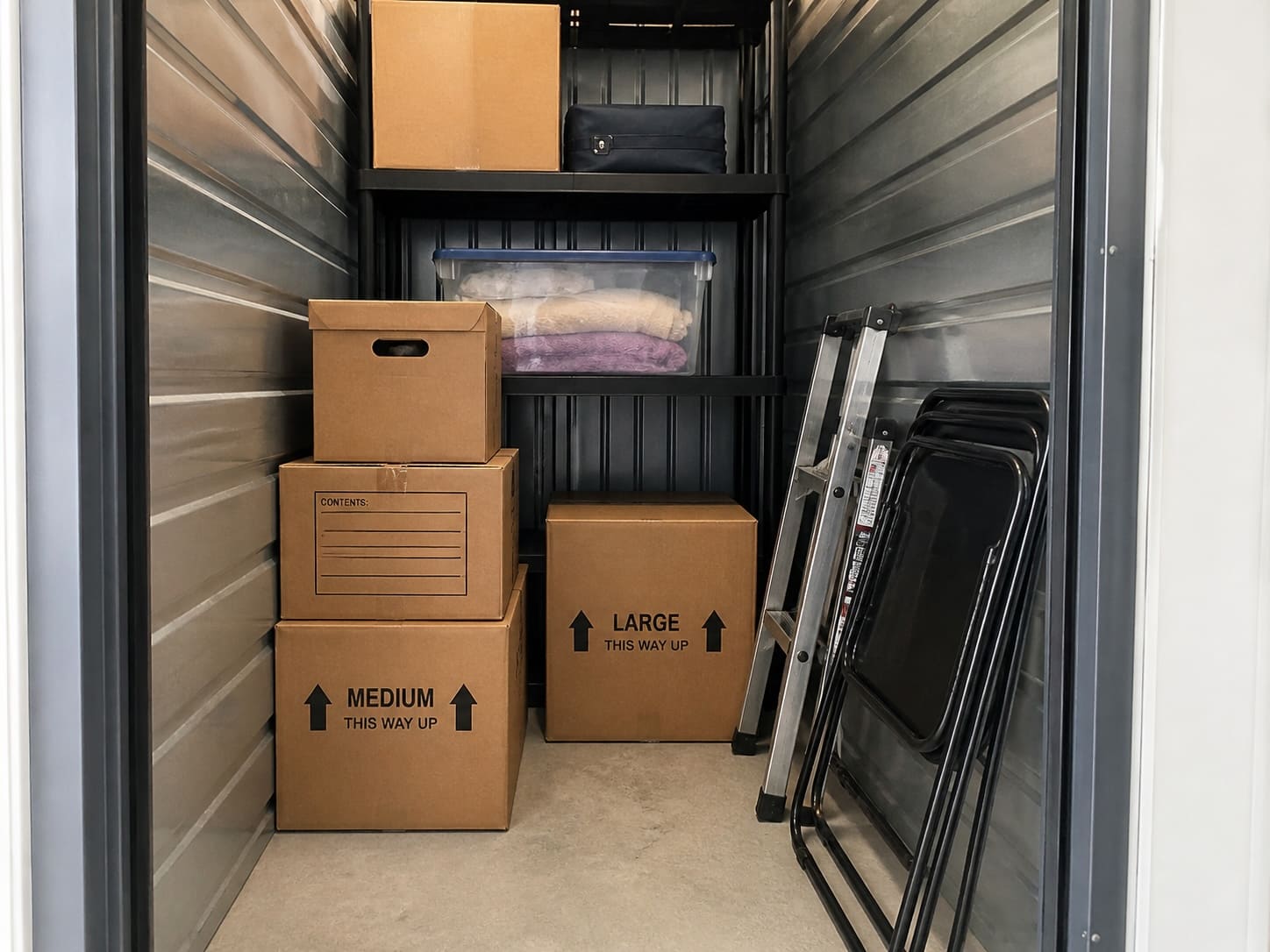
Not all boxes are suitable for everything. Heavy objects, such as books or tools, are best put in small, sturdy boxes. Clothes, cushions or duvets go well in large boxes. And fragile items - glasses, plates, figurines - deserve special wrapping: paper, bubble wrap or even bed linen. The trick is to think about both protection and weight, so that you can then move the boxes without suffering.
Kitchen and bathroom: the ultimate in the latest
If there is one piece of advice that is always repeated, it is this: leave the kitchen and bathroom for last. These are spaces that you use every day, so packing them too early can make life difficult. Keep out of the boxes the basics for those last few days - hygiene, utensils, some food - and pack the rest when you're almost ready to move.
Good labelling saves time later
Just as important as packing well is knowing what's in each box. Write down the contents and which room it belongs to. You can go one step further and use different colours for each room. This will help you put everything in place faster when you arrive at your new home. Another advantage: if you need something in the middle of the process, you'll know where to look without opening ten boxes at once.
The famous survival box
There is one box you should prepare separately: the one you will take with you. In it go the essentials for the first few days - clothes, chargers, important documents, medicines, toiletries, some household items - so you don't have to rummage through everything looking for your toothbrush or pyjamas the first night. That way you won't have to rummage through everything looking for your toothbrush or pyjamas on the first night. Having this box ready is part of getting organised right from the start.
Some mistakes to avoid
Filling boxes until you can't move them, mixing fragile items with heavy objects, not labelling, using flimsy boxes... all these things complicate the move. Avoiding them not only saves your belongings, it also saves you time and aggravation. If you're wondering where to start packing for a move, start with common sense and good materials.
Tips to speed up the process without losing organization
- Allocate blocks of time for each room.
- Use towels or sheets to protect delicate objects.
- If you dismantle furniture, store screws and parts in named bags.
- Try not to mix categories in the same box.
- Mark fragile boxes clearly and visibly.
With these simple gestures, the chaos is reduced and everything flows more smoothly. The question at the beginning - where to start packing for a move - is starting to get concrete answers.
Quick checklist to get everything under control
- Do a general cleaning before you start.
- Have the necessary materials at hand.
- Start with the least used areas.
- Stick to what is not essential on a day-to-day basis.
- Kitchen and bathroom, always at the end.
- Label each box well.
- Prepare your first day box.
This outline accompanies you step by step, and turns an open-ended question into a plan with feet and a head.
Do you need a storage room in Palma de Mallorca?
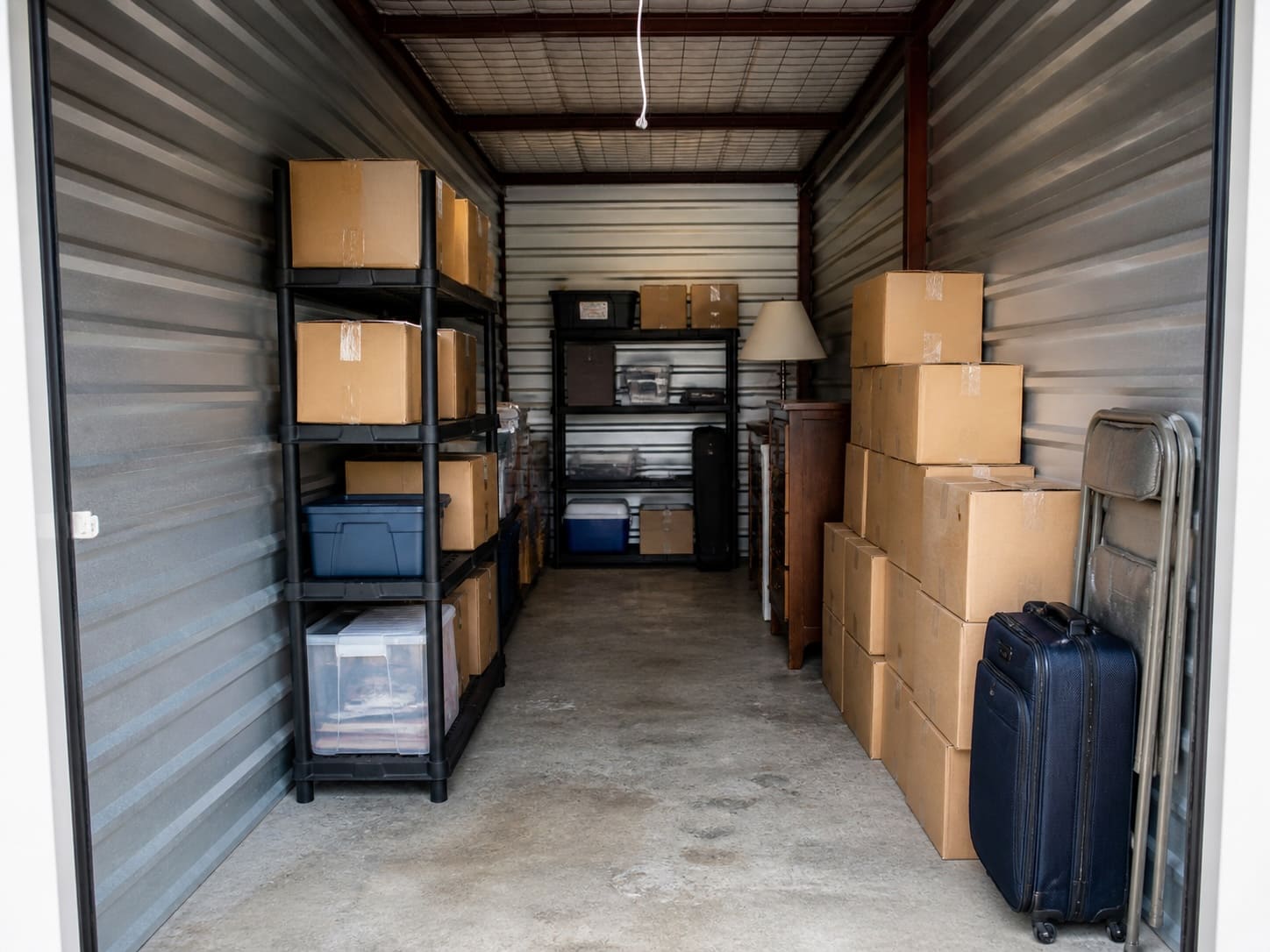
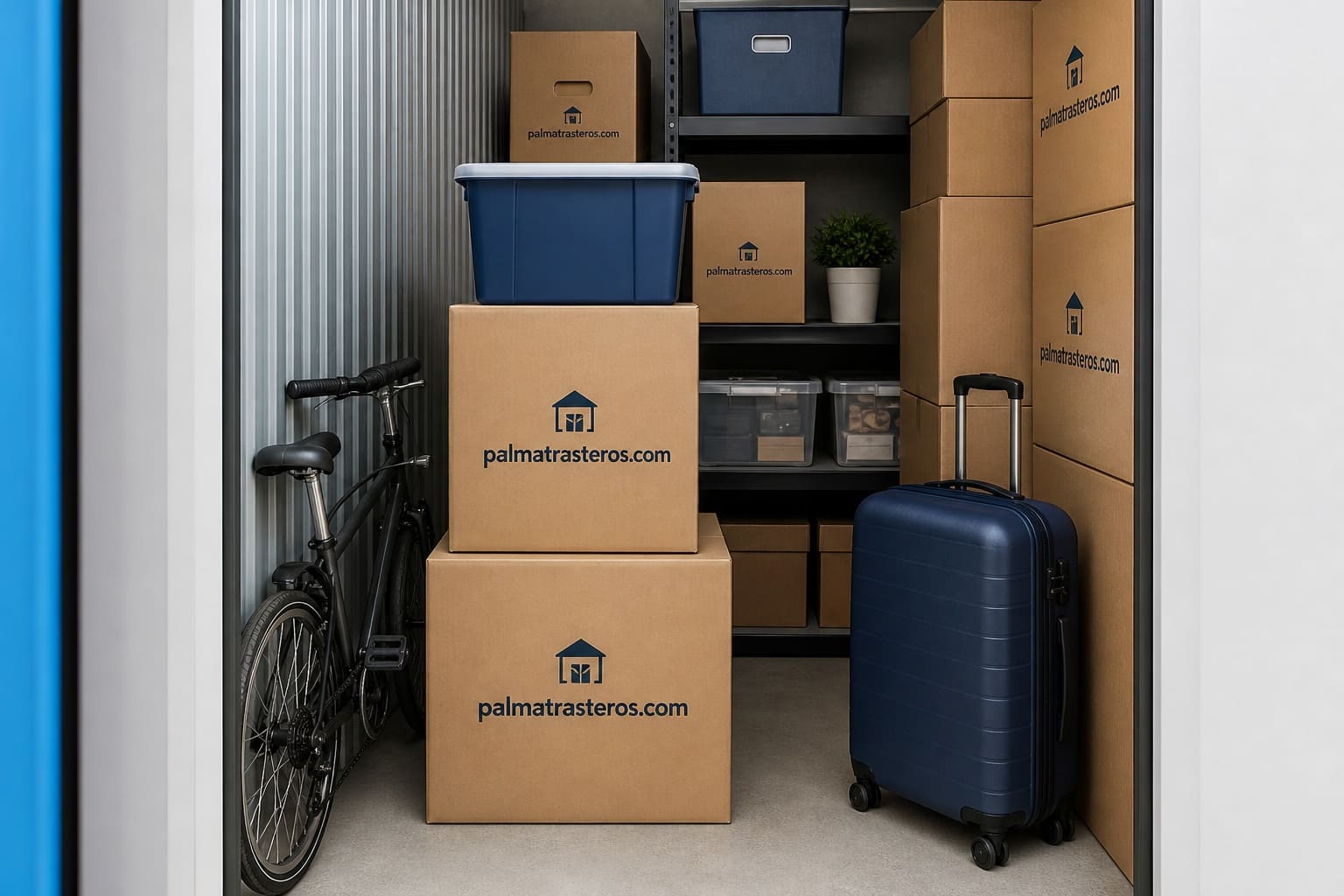
During a move, it is normal for objects to appear that have no immediate place in the new home. Things that you don't want to lose, but that right now you don't know where to put. At Palma Storage rooms we offer you solutions for storage room rentals in Palma de Mallorca designed so that you gain space without losing peace of mind.
Our storage rooms adapt to whatever you need: large, small, temporary or long-term, with security and easy access. Write to us and find out how we can help you make your move easier.