Planning ahead: what saves you from nerves
Organising a move doesn't start when the boxes arrive - far from it. It starts much earlier. If you can, give yourself about six to eight weeks. It sounds like a long time, but it flies by.
That time gives you time to do everything: decide whether to do it yourself or leave it in the hands of a company, ask for quotes, compare options and see what suits you best. Some people prefer to take care of the transport alone, while others don't want to move a single chair. Both options are valid.
Oh, and if you live in a big city, don't forget the municipal permits so that the truck can park in front of your house. It's not the most exciting thing to do, I know, but it avoids scares and fines.
Less clutter, easier everything
Moving house is the perfect excuse to get rid of things that no longer belong to you. Don't think about it too much: open drawers, look in the storeroom, go through cupboards... there are bound to be things you haven't touched for years.
Make four piles: what stays, what you can donate, what you can sell and what is no longer salvageable. The less you take, the lighter the move will be. And, incidentally, the less it will cost you. Many companies calculate the price according to volume.
If you take it easy, you might even be able to make a little money by selling what you no longer use. Or do a favour for someone who needs it. It all adds up.
Packing well: no more, no less
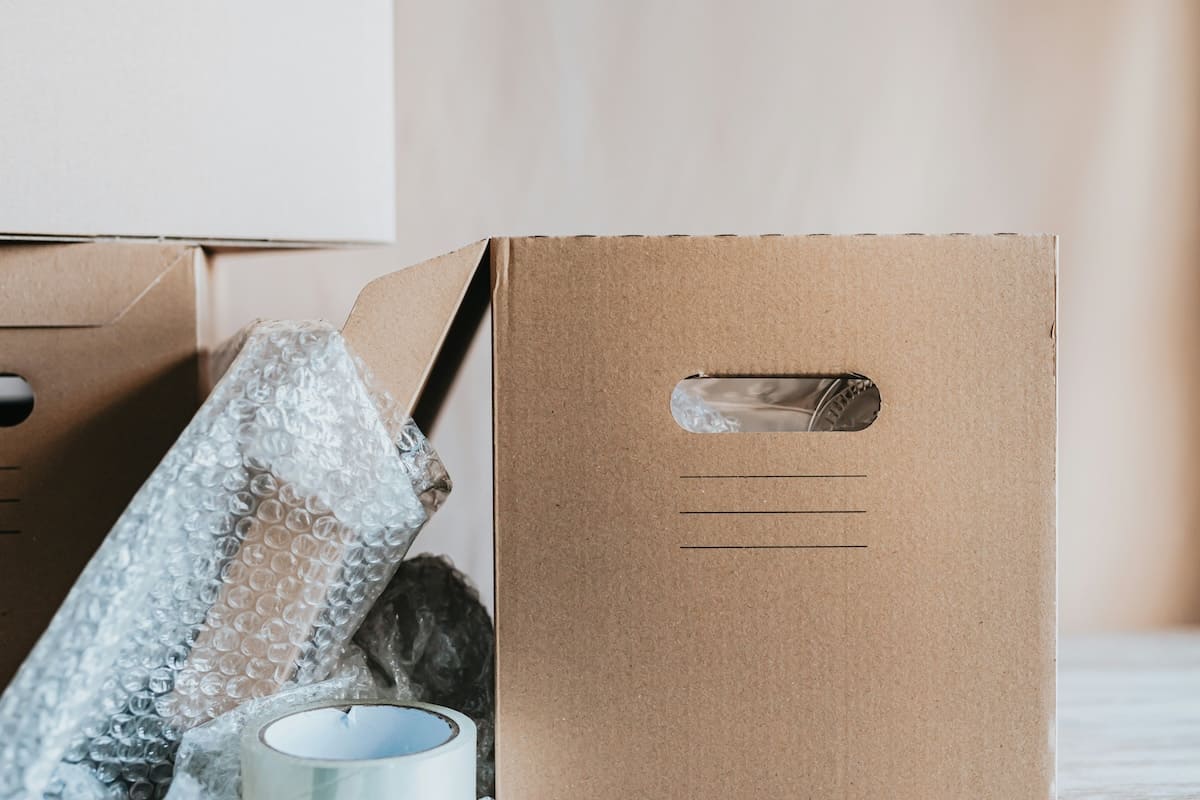
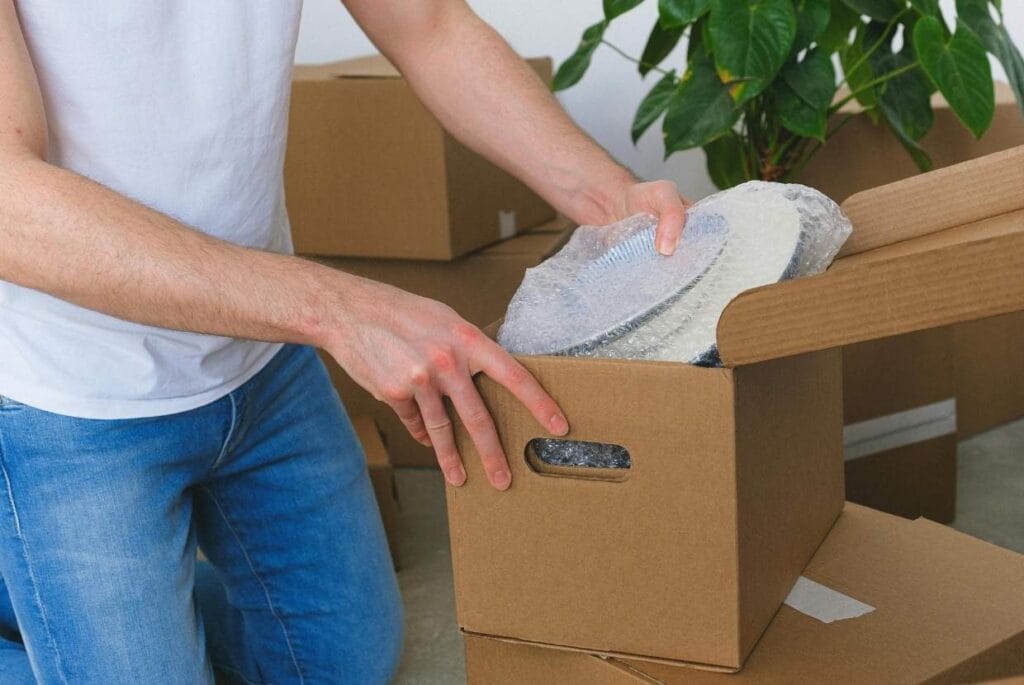
It doesn't have to be complicated here, but not just anything goes. You'll need boxes of different sizes, strong tape, bubble wrap (the kind that feels good to burst), blankets and labels. The basics.
Avoid huge boxes filled to the top. They look practical, but then there's no one to lift them. Ideally, none of them should weigh more than 20 kilos. Your lower back and the operators won't thank you for it.
Label well. Be specific: what's inside, if it's fragile, which room it goes to. It seems like a detail, but it saves you a lot of chaos later.
Room by room: step by step, no stress
Start with what you use the least. Do you have a guest room or an office? That's perfect. Kitchen and bathroom, best left for last, you'll need them until the last day.
An idea that works: assign a colour or a number to each room and mark the boxes. When you get to the new place, there will be no doubt about where everything goes.
And don't forget to pack a special box with the essentials for the first night. Pyjamas, a toothbrush, something for dinner, chargers, a couple of plates... the basics to survive without having to open everything at once.
Paperwork: nobody wants it, but it has to be done.
Moving also means updating your paperwork. And the sooner you do it, the less hassle you'll have later. Some basics:
- Change of address with the Inland Revenue (Form 030)
- Notify the Social Security and the DGT
- Register at your new address
- Change contracts for electricity, water, gas, internet...
Imagine arriving at your new home and having no internet or electricity. Better to avoid it, right?
Watch out for municipal permits
In cities like Madrid or Barcelona, you can't just park a removal van on the street and that's it. You need a permit. If you don't have one, you risk a fine, and a hefty one at that.
Ideally, you should order at least two weeks in advance. That way you can reserve a space right in front of the gate and load and unload without any hassle.
Hire a company? Ask for more than a good price
If you decide to entrust the removal to professionals, don't just rely on the price. Cheap is sometimes expensive.
Look for companies that are officially registered and offer insurance. Ask for a written estimate and make sure that everything is detailed: dismantling, packing, transport, if you have to go up to a fifth floor without a lift, if they include storage space... Everything, everything.
Furniture, with love
There are some pieces of furniture that cannot be packed in a box and that's it. Sofas, bookshelves, large wardrobes... need a little more care.
Use blankets, covers, cardboard, whatever you need. Disassemble what you can and keep the screws in a tightly closed bag (better if you glue it to the part itself).
You can also protect floors and wall corners with cardboard. A few extra minutes can save you from scratches that are difficult to explain later.
The big day: slowly but surely
On moving day, it's time to go over everything. Take a last look around the rooms, unplug appliances and take photos of the state of the flat before you leave, just in case.
Accompany the loading if you can. This way you can see how everything is positioned and you can make notes if anything out of the ordinary happens. Before signing the delivery note, check it. If there are any incidents, write them down. It can save you if you have to complain later.
After: little by little, without wanting to do it all in one day.
Once in your new home, start with the essentials: the kitchen, the bathroom, the bed. Don't open everything at once. Otherwise, you'll end up with open boxes everywhere and not knowing where to go next.
During that first week, take a calm look at your things. If something has arrived broken, complain as soon as possible. There are legal deadlines for doing so and you should not miss them.
What if it doesn't all fit or the new flat is not ready yet?
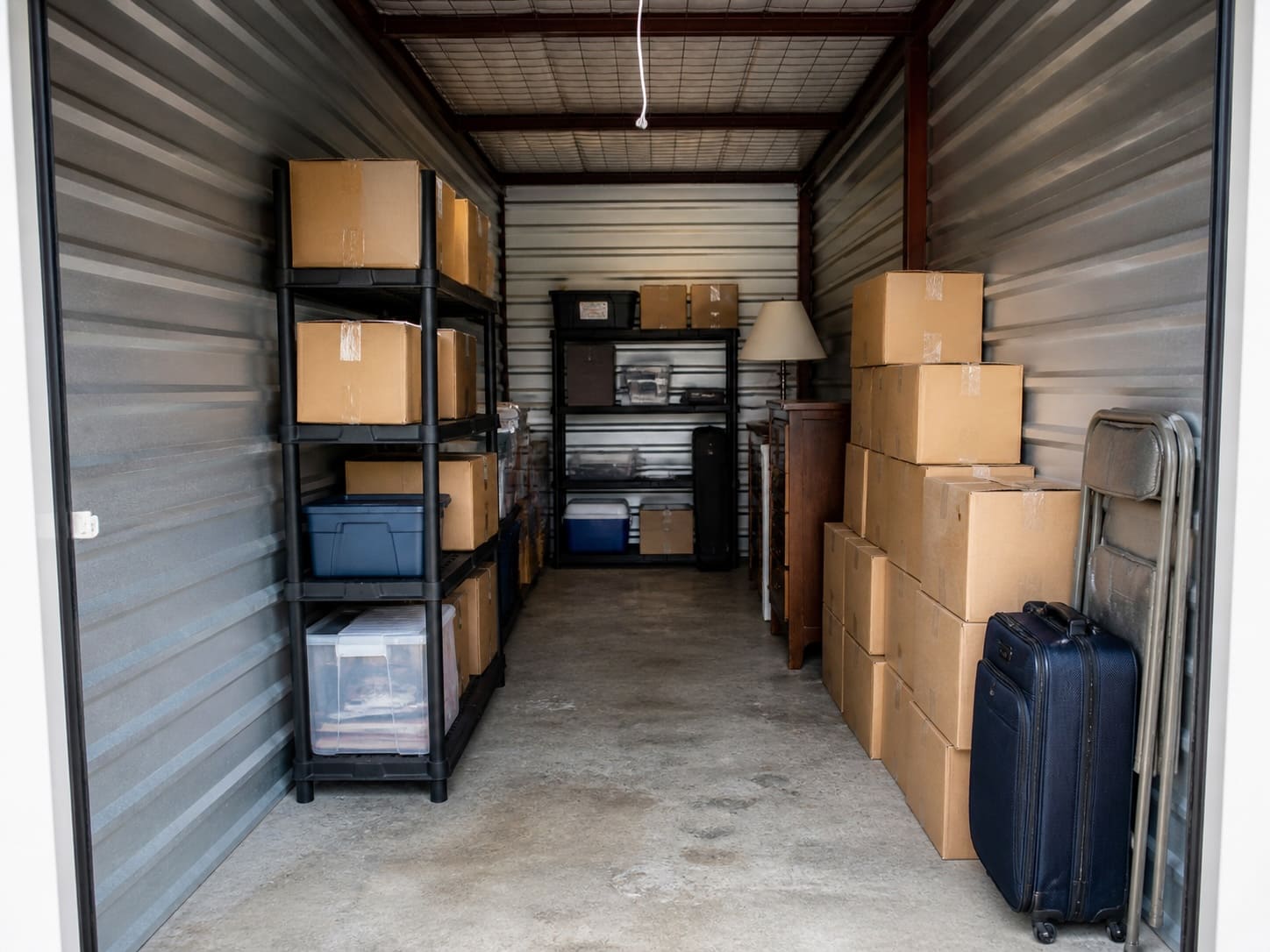
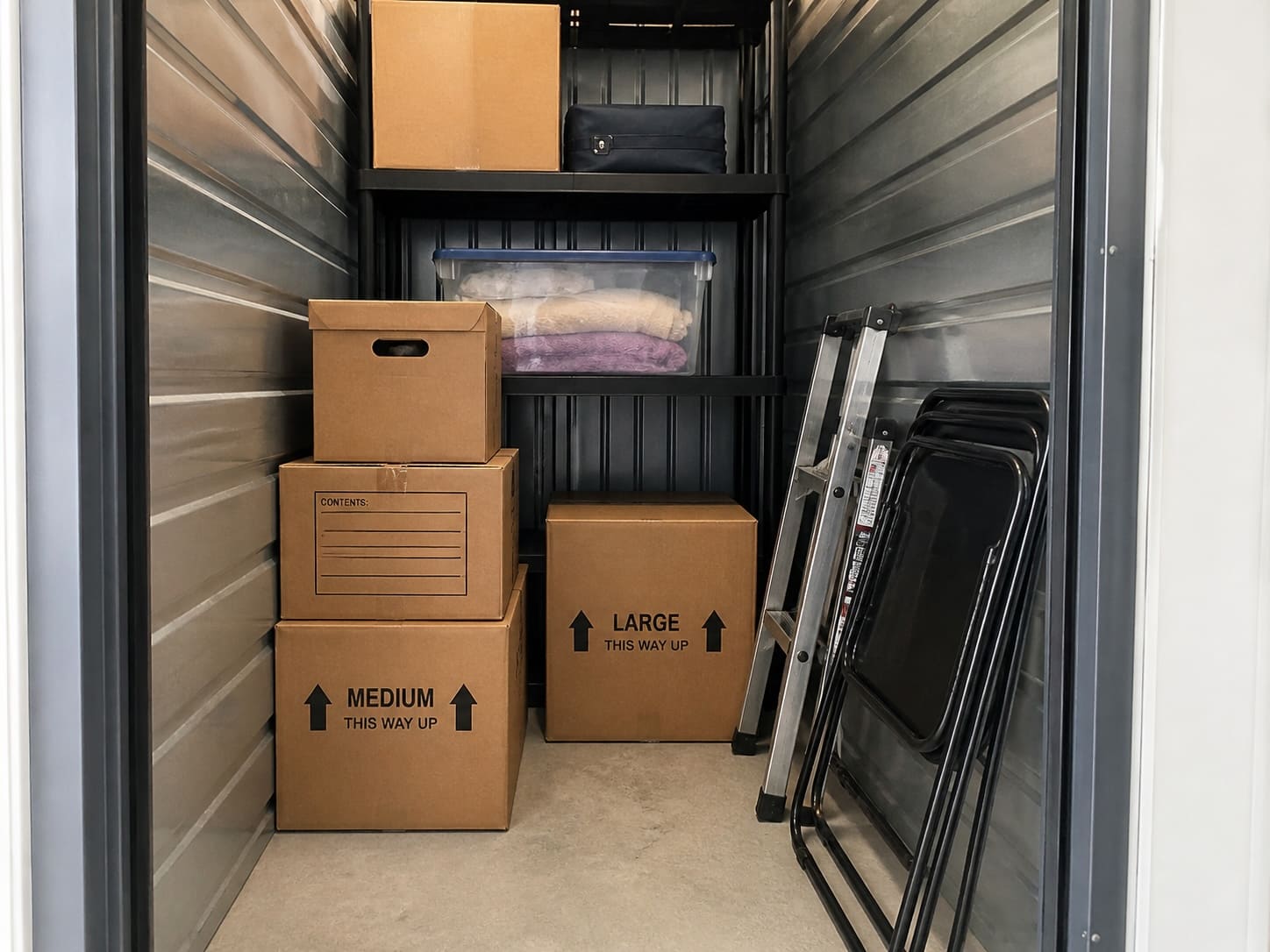
Sometimes, you have to make a move in two steps. Or you simply lack space. That's what storage rooms and furniture repositories are for.
The former you can use whenever you want. The latter usually have restricted access and are managed by the company. Which one to choose? It depends on whether you need to log in frequently or not.
Knowing how to organise a move also includes thinking about these kinds of solutions if the schedule doesn't quite add up.
Make a checklist: don't rely on memory alone
A to-do list may seem simple, but it works. Write down what you have pending, put dates and cross them off. Move contracted, materials bought, school notified, permits applied for, documents ready...
Reviewing it every few days gives you a much-needed sense of control amidst the chaos.
Do you need to rent storage rooms in Palma de Mallorca?
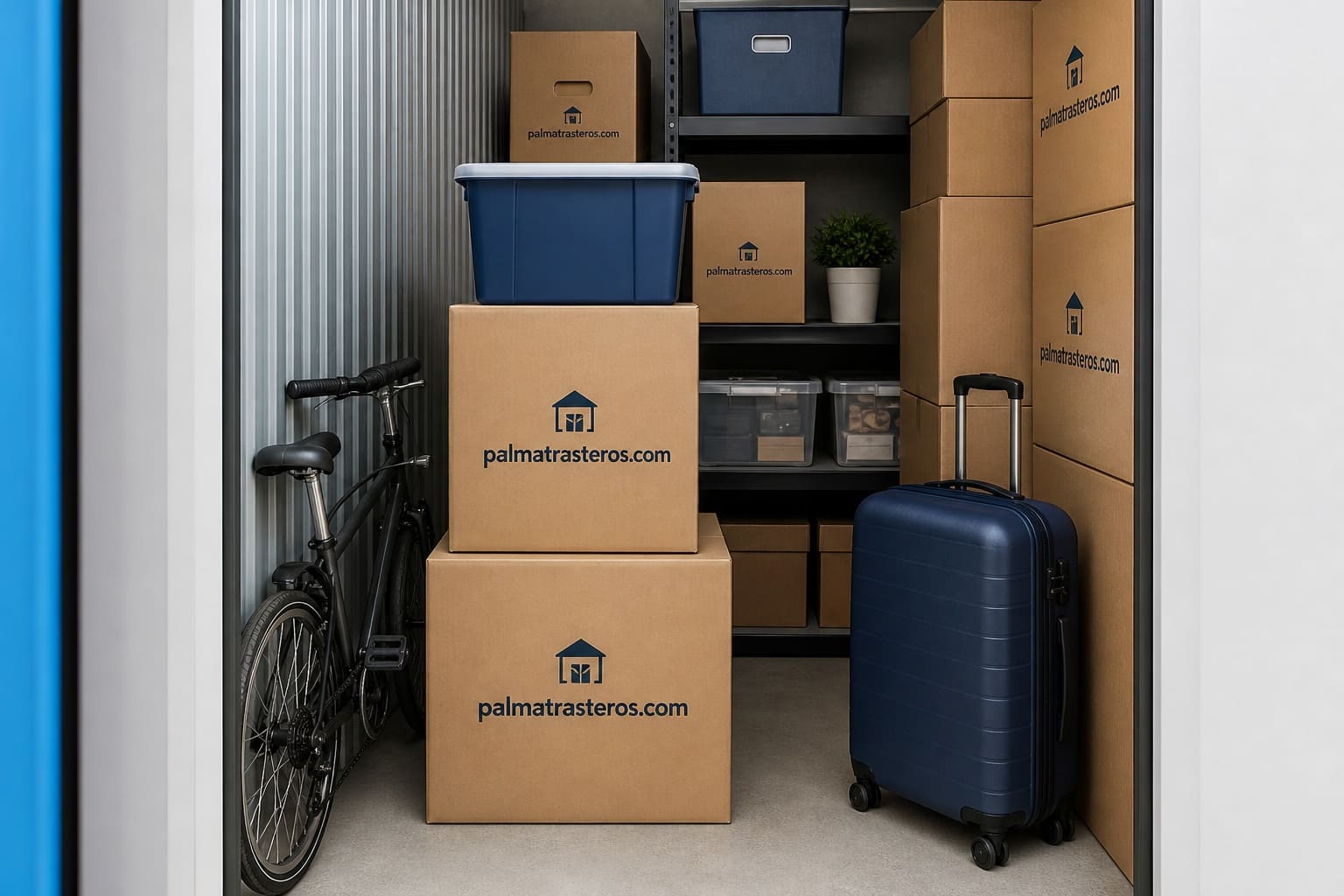
If you are moving house and are looking for a place to leave part of your belongings temporarily, at Palma Trasteros we have just what you need. We offer storage room rentals in Palma de Mallorca, with flexible, secure and easily accessible options.
Whether it's because the new flat isn't ready yet, or because you simply lack space, you can count on us. Write to us and we'll help you find that space that will give you some breathing space while you organise everything else.